


Air Quality Consultants in Buffalo, NY
Ahold of Mold Environmental has served customers in Buffalo, Kenmore, and Erie County, NY, and the surrounding areas for the last 24 years and counting. We provide mold removal, indoor air quality testing, water damage restoration, asbestos testing, duct cleaning, mold air testing, and home assessments. Our experienced NY state-certified mold remediation contractors specialize in thoroughly remediating mold growth, saving you and your family from the potential of harmful toxins and allergens.
We are not a fly-by-night company with a quick certification from a non-governmental agency. Years of experience as air quality consultants and NY state-certified mold mediation and assessment contractors set us apart. We use the latest in FLIR Technology, “Forward-Looking Infrared Imaging.”
Ahold of Mold Environmental has been practicing as a mold consultant for 24 years and counting. Ahold of Mold Environmental will continue to serve the area with the utmost respect for our clients, giving them honest answers and continuing to uphold our reputation for years to come. With discreet, unmarked vehicles and expert mold inspection, remediation, and repair professionals, Ahold of Mold Environmental is your source for these services:
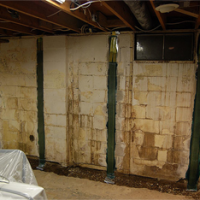
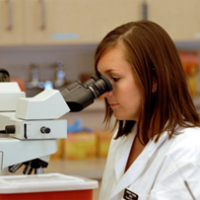
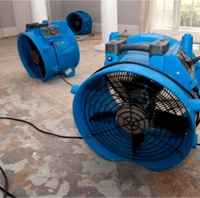
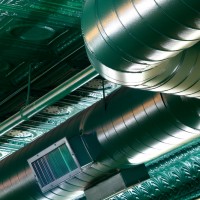
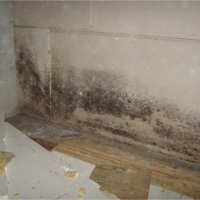

NY State Certified Mold Remediation Contractor
NY State Certified Mold Assessment Contractor
NY State Certified Asbestos Inspector
PA Doesn’t Require or Request Such Certifications
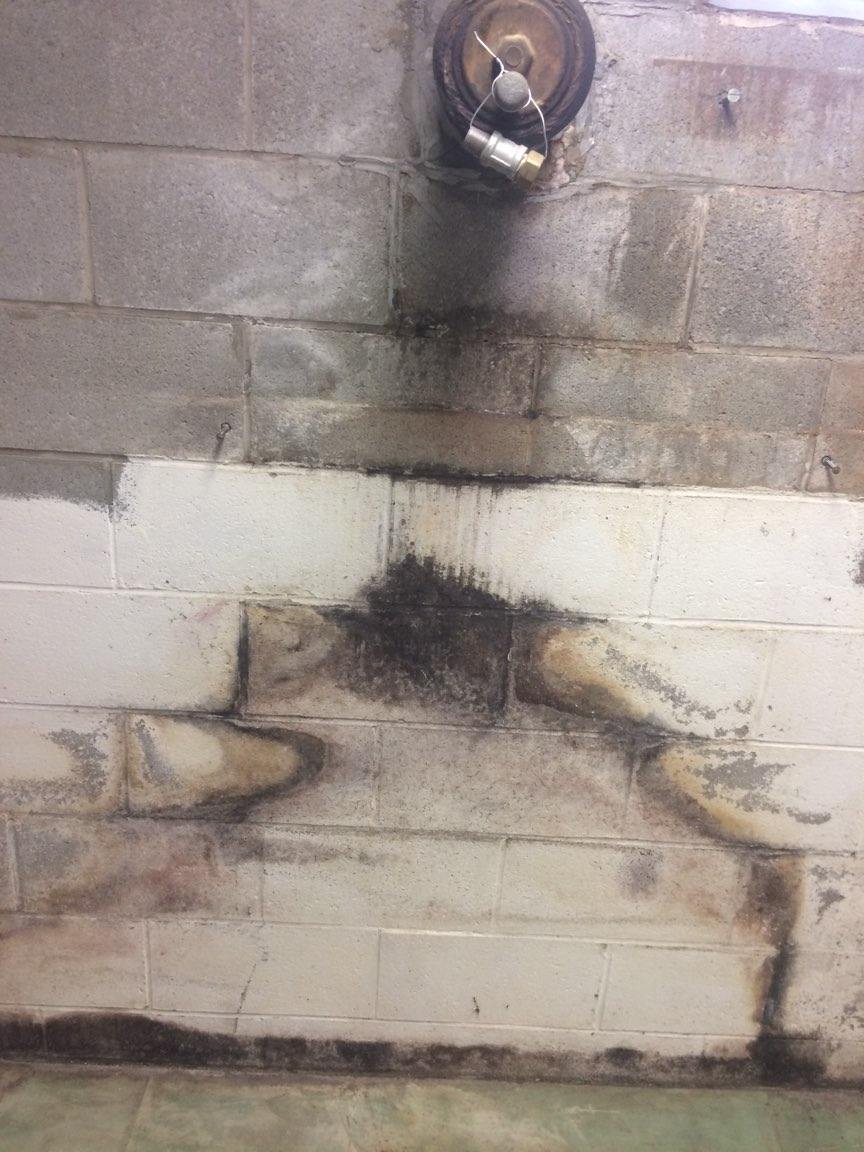
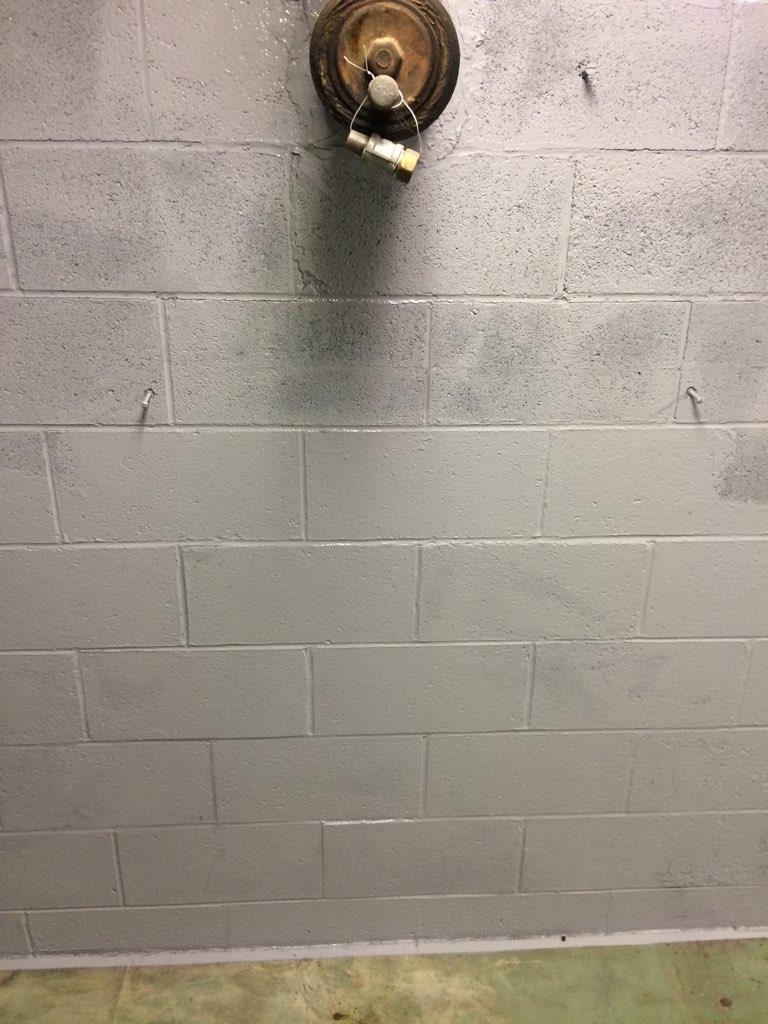

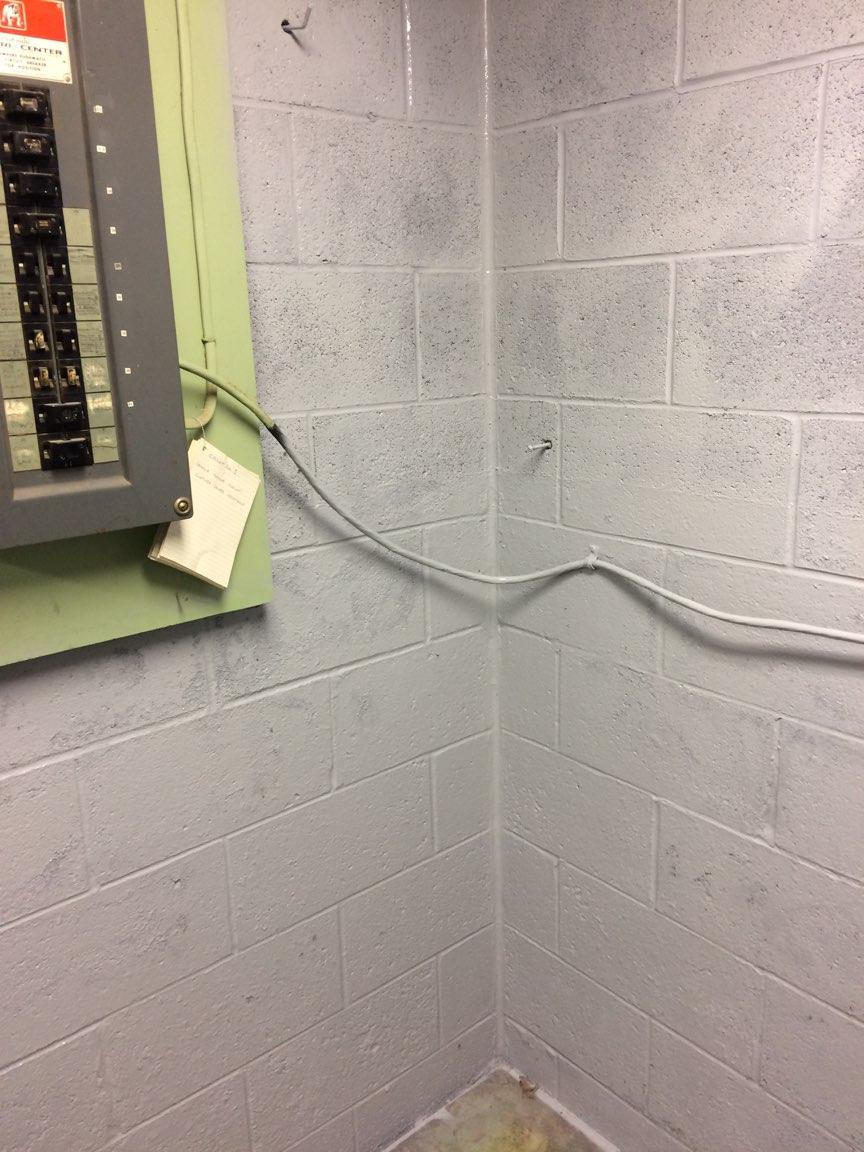

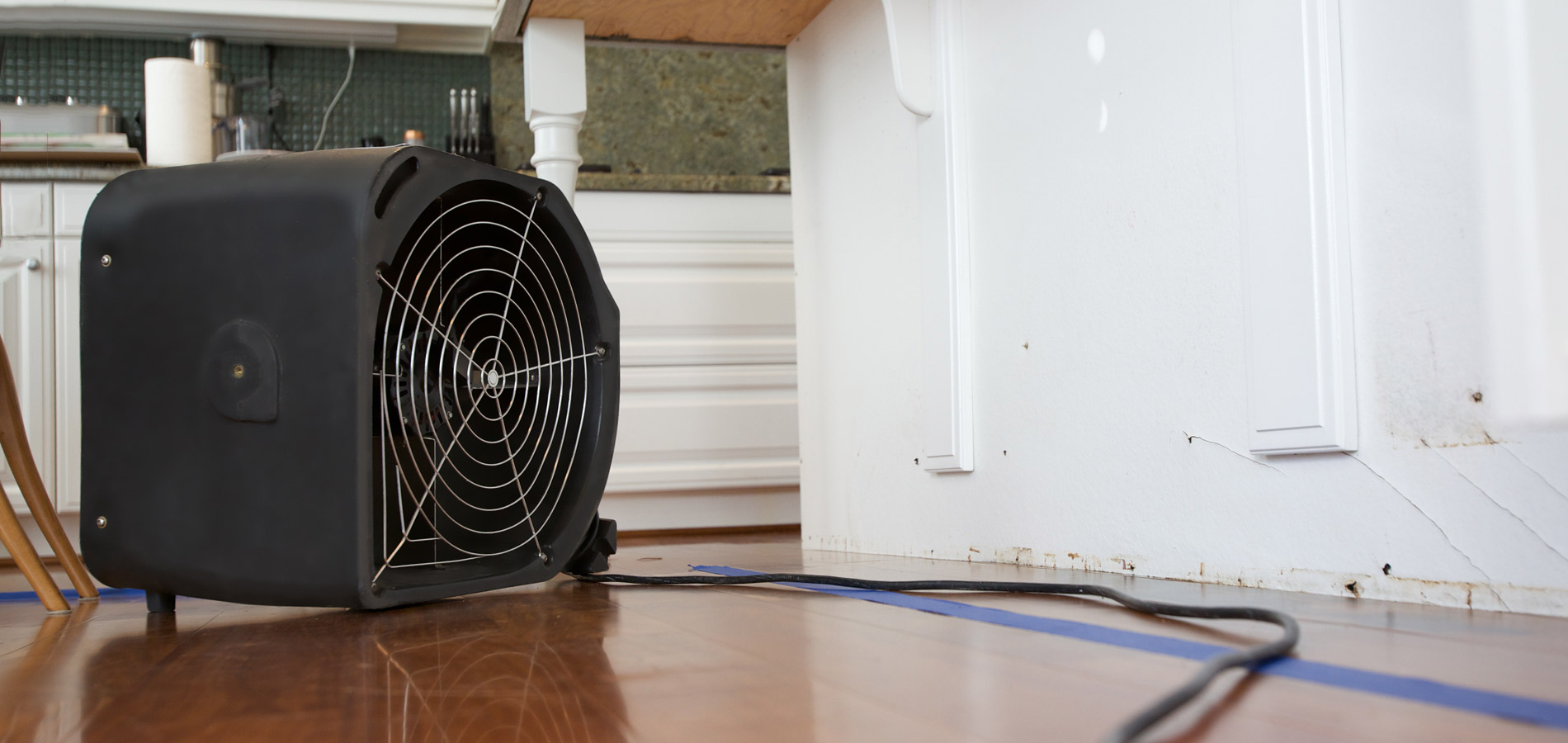
We Are Also A Certified Water Damage and Dry-Out Restoration Contractor
Our regions of Western New York and Northern Pennsylvania are well known for radical temperature and humidity swings, older homes, and leaky basements, all of which increase the risk of harmful mold growth and water damage. That’s where the experienced black mold removal professionals at Ahold of Mold Environmental come in: we inspect your home, test your air quality, and fix any mold and water-related issues we find.
Find Out How to Spot Mold Warning Signs, Get Answers to FAQs, and More
No matter what the size or scope of your mold problems or water damage, Ahold of Mold Environmental is your source for experienced remediation services from expert NY state-certified asbestos contractors and mold removers. We also carry proper insurance for remediation and assessment, “Professional Liability and Environmental Pollution Liability insurance,” for your peace of mind. Our goal is to locate and thoroughly fix your damage while providing excellent communication, competitive pricing, total discretion, and friendly service.